[1] Sanadgol, M., & Sharifinia, Z. (2017). Survey of Developing Tourism Problems (Case study: Ghaemshahr).
Geography (Regional Planning),
7(1), 71-83.
https://www.jgeoqesh m.ir/article_44951.html
[2] Fattahi, N., Ebrahimi Jamnani, L., & ZolfaliporFar, F. (2021). Investigating and Analyzing the Causes of Citizens' and Tourist's Participation in Environmental Protection (Case Study: Mahmoudabad City).
Karafan Quarterly Scientific Journal,
18(2), 111-132.
https://doi.org/10.48301/kssa.2021.128436
[3] Khaksari, A., & Abbasi, M. (2014). Identifying tourism potentials in Kuhrang and proposing appropriate solutions for its tourism development.
Scientific- Research Quarterly of Geographical Data (SEPEHR),
22(88), 106-114.
https://www.sepehr.org/article_25 670.html?lang=en
[4] Khodapanah, k. (2021). Analysis of Tourism Network in Ardebil Tourism Centers.
Geographical Planning of Space,
10(38), 259-270.
https://doi.org/10.30488/gps.2020.214782.3162
[5] Hejazizadeh, Z., Rajaeirizi, M. A., & Hoseini Amini, H. (2013). Understanding the Strengths and Weaknesses of Rural Tourism Development; A Case Study: Rural Eco-Museum of Abyaneh-Isfahan.
Journal of Tourism Planning and Development,
2(5), 50-76.
h ttps://tourismpd.journals.umz.ac.ir/article_538.html?lang=en
[6] Aliyari, V., Sharifzadeh, M., & Ahmadvand, M. (2019). Evaluation of Tourism Effects on Rural Areas of Tourist village of the Central District of Firoozabad County Using Factor Analysis Model.
Tourism Management Studies,
14(45), 221-247.
https://doi. org/10.22054/tms.2019.24002.1689
[7] Roknaddin Eftekhari, A., & Ghaderi, E. (2002). The Rule of Rural Tourism in Rural Development (Theoretical Analysis).
The Journal of Spatial Planning,
6(1), 23-41.
http://hsmsp. modares.ac.ir/article-21-4582-en.html
[8] Ebrahimzadeh, I., & Aghasi Zadeh, A. (2009). The Analysis of Effective Factors in the Expansion of Coastal Region of Chabahar Tourism through SWOT Model.
Journal of Urban - Regional Studies and Research,
1(1), 107-128.
https://urs.ui.ac.ir/article_ 19938.html?lang=en
[9] Naderi Mahdei, K., Azani, M., Yaghoobi Farani, A., & Roostaei, M. (2014). Analysis of Rural Tourism in Abyaneh by SWOT Model.
Geographical Researches,
28(4), 31-44.
htt p://georesearch.ir/article-1-430-en.html
[10] Zarabi, A., & Mahboubfar, M. (2014). Application of SWOT- QSPM Model in Codifying Tourism Development Strategy of the City of Kashan, Iran.
Spatial Planning,
3(4), 37-58.
https://sppl.ui.ac.ir/article_15976.html?lang=en
[11] Mosavi, M., Aftab, A., Majnoni, A., & Niromand, S. (2019). Development of Rural areas Tourism with emphasis on priorities for investment in infrastructure) case study: Eastern Azarbaijan Province).
Geographical Planning of Space,
9(31), 35-54.
https://doi.or g/10.30488/gps.2019.90105
[12] Darvishi, H., Porramezan, E., & MolaeiHashjin, N. (2022). Explaining the effects of tourism on economic development in rural areas of Rudsar In two decades.
Regional Planning,
11(44), 185-202.
https://doi.org/10.30495/jzpm.2022.4025
[13] Rezvani, M. (2009).
Development of rural tourism (with a sustainable tourism approach) (F. Rizvan, Ed.). University of Tehran.
https://www.gisoom.com/book/1600808
[14] Heidari Sareban, V. (2012). Analysis of obstacles affecting tourism development in Sardabe village, Ardabil city.
Geography and environmental studies,
1(1), 68-81.
https://jour nals.iau.ir/article_550438.html
[15] Rezaei, R., & Asadpaski, A. (2015). Analyzing the barriers to tourism development in rural areas of Qazvin province (Case study: Gazarkhan village).
Iranian Journal of Agricultural Economics and Development Research,
46(2), 277-284.
https://doi.org/10.22059/ija edr.2015.54893
[16] Hataminejad, H., & Sharifi, A. (2015). Examines the role of urban tourism development on sustainable urban development (Case study: Sanandaj).
Urban Tourism,
2(1), 61-74.
https://doi.org/10.22059/jut.2015.54066
[17] Papoli Yazdi, M. H., & Saqai, M. (2014).
Tourism (nature and concepts) (M. Arwana, Ed. 9 ed.). Samt.
https://www.gisoom.com/book/11095065
[18] Ghadiri Masoum, M., & Pazaki, M. (2008). The role of sustainable rural tourism in the sustainable development of villages (case study: Pakdasht city).
Geographical Land Journal,
5(2), 13-22.
https://journals.srbiau.ac.ir/article_5351.html?lang=en
[19] Pazoki, M., Sheikhi, D., & Zand, F. (2021). The Study of Good Governance in Sustainable Rural Tourism Development (Case Study: Sorkheh Township).
Regional Planning,
11(43), 64-78.
https://doi.org/10.30495/jzpm.2021.3934
[20] Rezaei, A., & Jalilian, S. (2019). The Investigating of Factors on Rural Tourism Management Strategy by Using SWOT Technique and QSPM Matrix in Kermanshah Province.
Iranian Journal of Agricultural Economics and Development Research,
50(1), 201-218.
https://doi.org/10.22059/ijaedr.2019.250773.668551
[21] Doorfard, M. S., & Almasi, H. (2010). The Formulation Of Tourism Strategy Using Analysis Swot Matrix (Case Study: Tourism Organization Of Tehran Province).
Tourism And Development,
1(1), 97-121.
https://www.sid.ir/paper/227688/en
[22] Movahedi, M. M., Aboei Mehrizi, M. H., & Hosseini, A. M. (2012). Using QSPM in SWOT Analysis as a Tool for Strategic Planning Case Study of SAIPA Auto-Manufacturing Group.
Journal Of Industrial Strategic Management,
9(28), 1-10.
https://www.magi ran.com/paper/1294806
[23] Saraei, M. H., & Shamshiri, M. (2013). Tourism situation study in the city of Shiraz towards sustainable development using the SWOT Technique.
Geography and Environmental Planning,
24(1), 69-88.
https://gep.ui.ac.ir/article_18581.html?lang=en
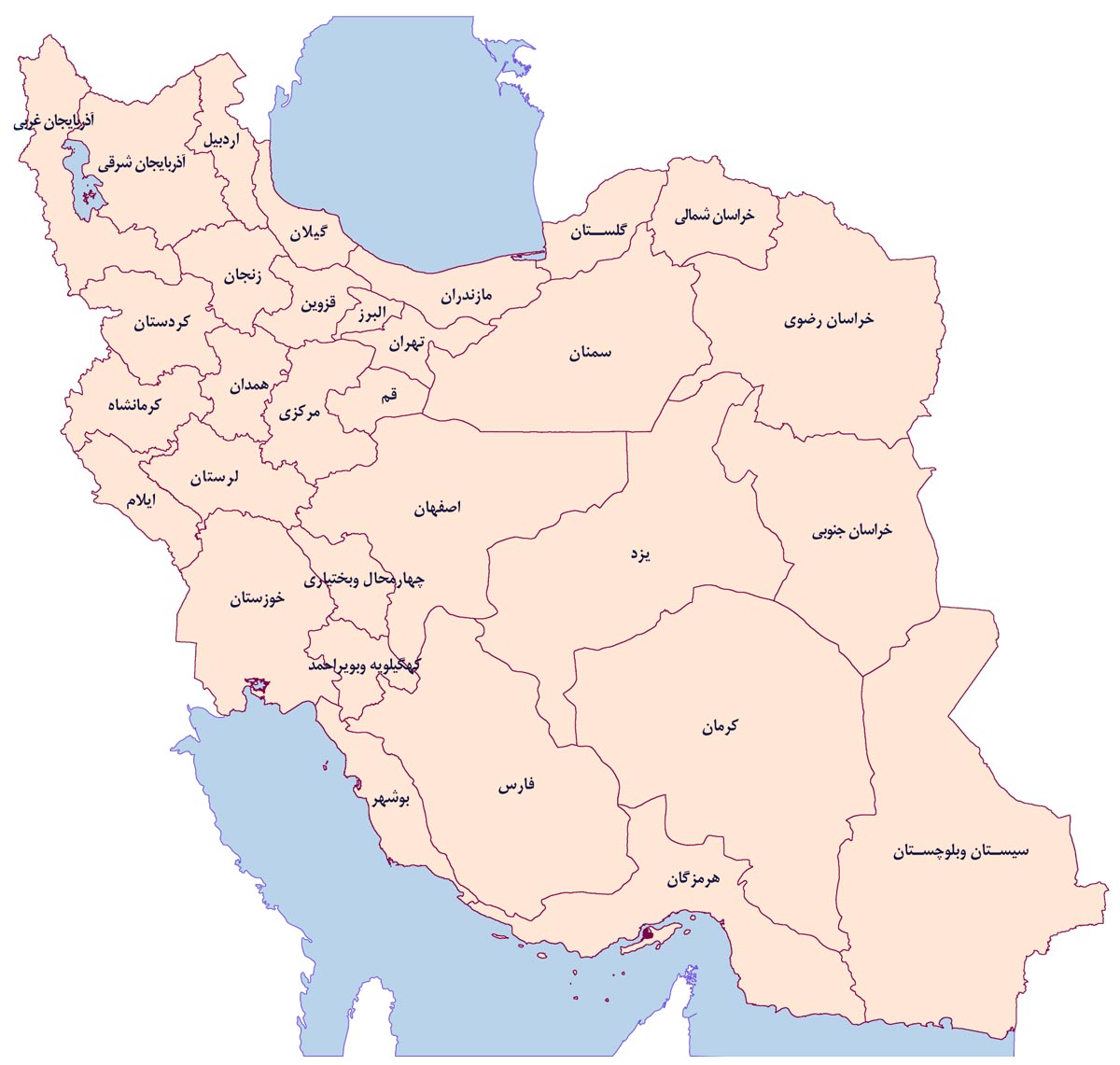
[24] Specialized site for engineering and building control. (2024).
Iran country [Photograph]. Hom.
http://dl.hom.ir/browseir2/iran/IRAN9.jpg
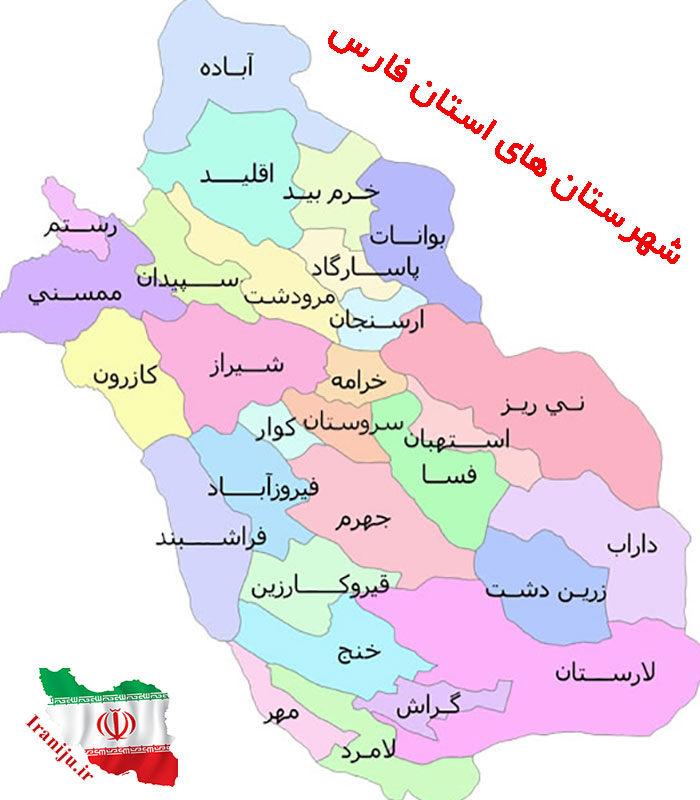
[25] Iraniju. (2024).
The cities of Fars province [Photograph]. Iraniju.
https://iraniju.ir/wp-c ontent/uploads/Fars-Aria.jpg
[26] Topographicmap of Iran. (n.d.).
Satellite map of Abraj Dashtak [Map]. Topomap.
https:// topomap.ir/?n=3245897749&l=ghy
[27] Baghbani, R., & Khodabakhshian Kargar, R. (2022). A Knowledge-Based SWOT-Analysis System as an Instrument for Strategic Planning- Case Study of Keyhan Sanat Ghaem Company.
Karafan Quarterly Scientific Journal,
19(Special Issue), 441-461.
https:/ /doi.org/10.48301/kssa.2021.128446
[28] Feridonzadeh, H., & Taghizadeh, M. (2018). Factors Affecting on Location and Formation of Historical-Religious Villages, Case Study: Kazaj and Kalur Villages in Khalkhal of Ardabil Province.
Journal of Housing and Rural Environment,
36(160), 45-58.
h ttp://jhre.ir/article-1-946-en.html